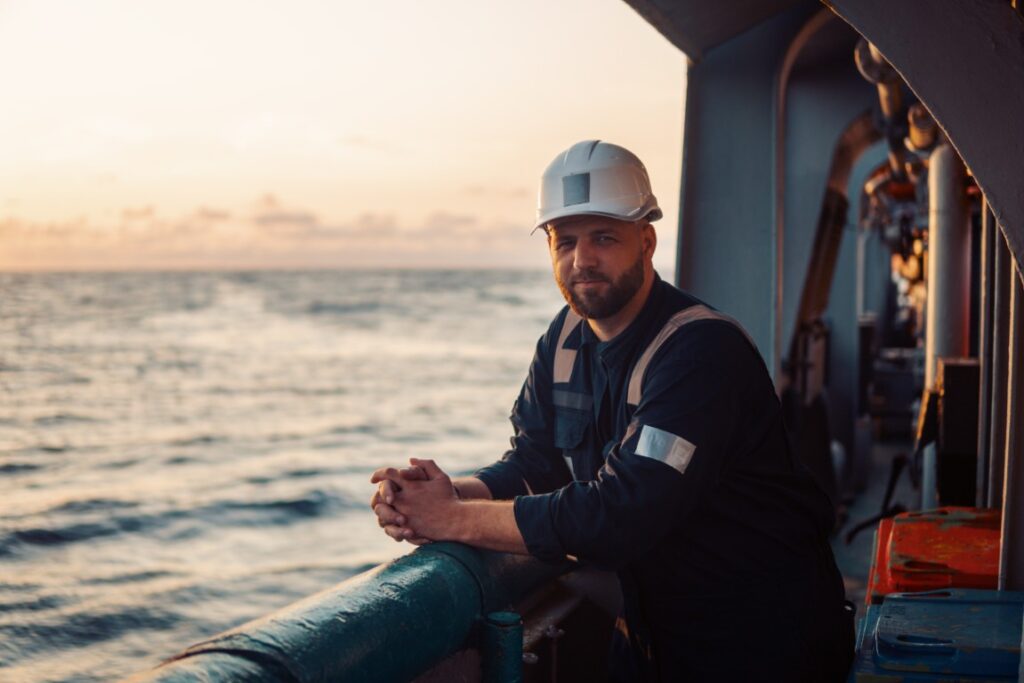
Port Fourchon is a bustling port with lots of activity, especially if you consider the nearby Louisiana Offshore Oil Port (LOOP), the U.S.’s first deepwater port, 18 miles offshore.
Whether you’re working or traveling on the water in Port Fourchon and the LOOP, there are dangers. As a maritime worker, you face unique risks every time you step offshore, and while cruises are meant to be peaceful, accidents can always happen. When a serious accident happens, the aftermath can be overwhelming, especially if you’re dealing with medical bills, lost wages, and uncertainty about how to move forward.
These situations can be even harder to navigate because the maritime industry follows specialized laws. In these cases, you'll need legal guidance from an experienced maritime attorney. The right lawyer can help you understand your options and pursue whatever compensation you may deserve.
Louisiana maritime attorneys have a deep understanding of the laws that govern financial compensation and liability for offshore injuries on ships and oil rigs, and injuries sustained by dock workers in Louisiana ports. These cases follow a unique set of laws, known as maritime and admiralty law. A few of the key laws within this network include:
The Jones Act is a federal law that protects injured cruise passengers and crew members injured while working. The law allows them to file a maritime claim against their employer or the cruise line if the ship isn’t safe or properly maintained. This law helps seamen and cruise passengers seek compensation for their injuries.
The LHWCA is a federal admiralty law that covers maritime and harbor workers. It provides compensation for longshore and harbor workers, shipyard workers, and other maritime workers. The law covers workers who suffer a maritime injury or illness while performing maritime activity on or near navigable U.S. waters.
DOHSA is a federal law that allows the families of individuals who die due to accidents on the high seas, more than three nautical miles from the U.S. shore, to recover damages. The law provides compensation for financial losses but doesn’t include recovery for pain and suffering.
Passenger injury protections are part of U.S. maritime law that allow passengers on vessels like cruise ships, ferries, or offshore transport vessels to seek compensation for injuries suffered during travel.
Maintenance and cure requires shipowners to provide medical care and a living allowance to seamen or maritime workers who are injured or fall ill while in service. The company provides these services until the injured worker reaches maximum medical recovery. The law applies regardless of whether the injury or illness was the worker’s fault.
Maritime injuries can be complicated and costly. Whether you’re a seaman, an offshore worker, or a passenger, knowing when to hire a Louisiana maritime lawyer can help you secure fair compensation. Here are some important situations where a lawyer’s help is essential:
Cruise lines and maritime companies often have experienced legal teams defending injury claims. Having a maritime lawyer by your side gives you a fair chance to protect your rights. Maritime injury claims also have specific legal rules. A Louisiana maritime lawyer can help you handle the process.
Getting the right legal support after an offshore accident can help you understand maritime laws and fight for whatever compensation you may deserve. You may be owed financial relief for medical bills, lost wages, long-term care, and more.
At Cardone Law Firm, our experienced maritime injury lawyer in Port Fourchon can help you handle your maritime claim process. When you need a Louisiana maritime lawyer you can trust, reach out to Cliff Cardone. From pain and suffering claims to serious offshore accidents, we have experience with maritime cases, and you can count on our legal team to help you seek fair compensation.


Copyright © 2025 Cardone Law Firm
Powered by
Cobalt Digital Marketing